The Deafening Quiet of Summer
Spring is IT. Spring is when the migrants blanket the country in their colorful glory—just a wash of vibrant yellows, oranges, reds, blues, and a myriad of other attention-seeking plumage. The air is full of song, and the trees are alive with tiny warblers hopping from branch to branch before heading further north.
The fall brings them back, albeit with muted colors, as they head back to their southern homes. They sing a bit less energetically, having done the deed nature so compelled them to complete.
The bare trees of winter offer their own beauty and a rare chance to see many more birds than the blossoming spring and earthy-toned autumn allow.
Summer is the odd season. While locations further north are bursting with nesting warblers, Georgia summers sit stuck between two states of being—bursting with life and song and a quiet respite from the barrage of migration.
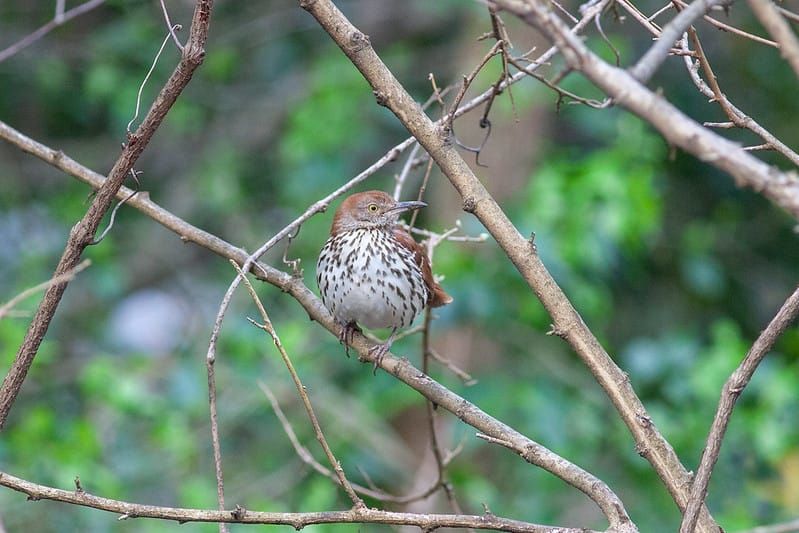
The birdsong of summer is relentless. From dawn to dusk, the Cardinals laser their way from tree to tree, Brown Thrashers and Mockingbirds offer competing imitations, and the Blue Jays screech near enough to block out all the rest.
At the same time, the baby birds have fledged and are well on their way. The same birds show up to the feeders day after day, and there seems to be much less urgency than the springtime urges bring about.
As the summer months roll on, a shift occurs. During the day, birdsong is slowly overtaken by the buzzsaw rattle of cicadas. The midday heat tampers down activity, causing a lull from mid-morning until dusk. Summer evenings bring as many bats as swifts. The rising and falling cricket chorus dominates the night soundscape.
In gardens and fields across the state, tomatoes burn bright red, blueberry bushes explode, and corn stalks reach for the heavens. It’s a time of harvest for us and the birds. Perhaps that’s part of what mutes the flash and pomp a bit. The babies are grown, the nest forgotten, and the whole world explodes in plenty.