the smallest sprout
The smallest sprout shows there is really no death
—Walt Whitman
The largest living organism is a fungus. While groups of Armillaria ostoyae caps sprout here and there, the vast majority of it lives its life out of human sight, sprawling four square miles under a Pacific Northwest forest floor. The caps we see here and there are only a small fraction of the whole.
We see the small. The insignificant. We see a mushroom cap or an individual blade of grass and think nothing of it. We miss the community, the communication, and the complexity of the root systems that tie cap to cap, blade to blade, tree to tree.
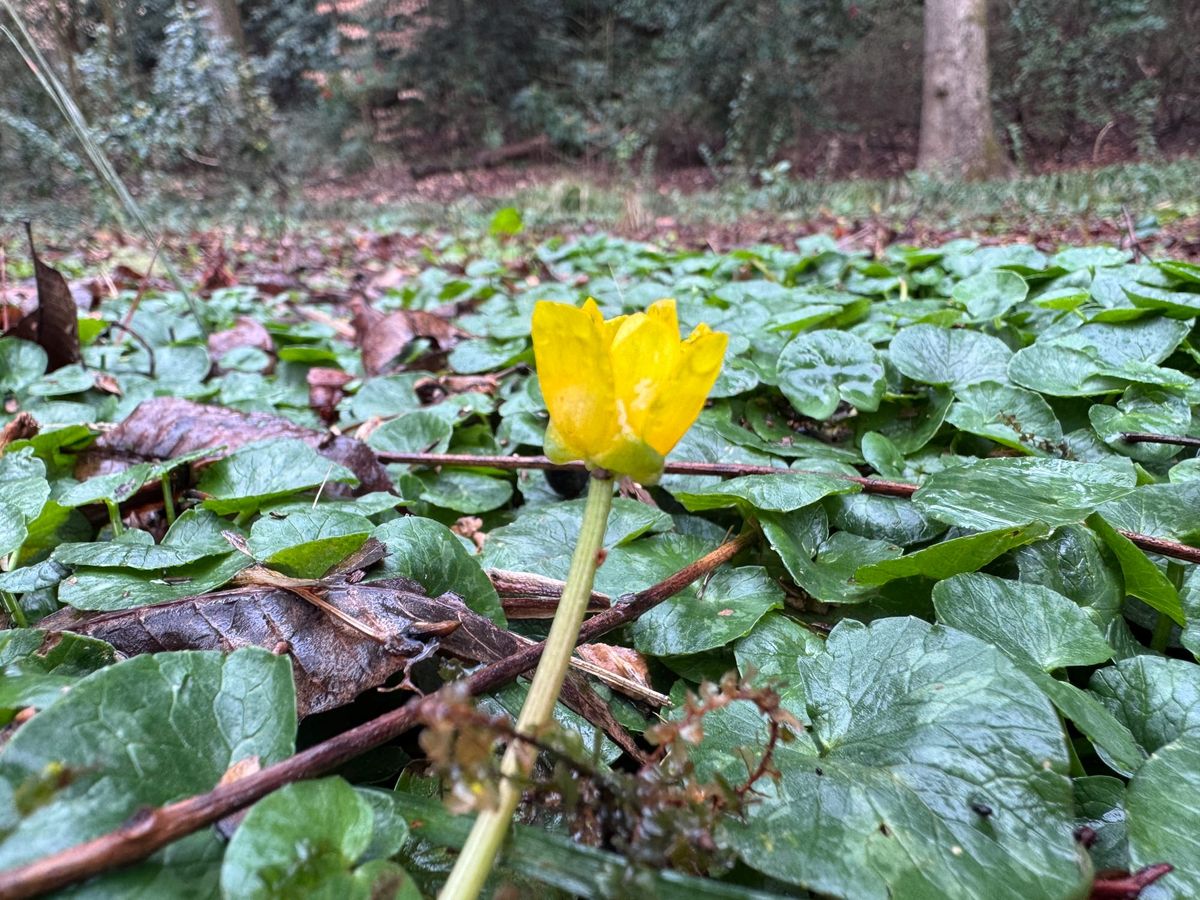
When Whitman wrote, “the smallest sprout shows there is really no death.” I think he had in mind the regenerative nature of the world. For every blade of grass that dies, there is another to replace it. I also like the idea that something so small holds the power of life, that even the smallest sprout can defy death.
It’s the small and the insignificant that often provides the most complexity. Or maybe it’s that complexity is the natural order, that any time we look closer we’ll see more.
When I was thinking of taking my newsletter in a new direction, an Oscar Wilde quote kept popping into my head—“The truth is rarely pure and never simple.” (fun fact™: Rarely Pure & Never Simple was on the shortlist of new names.) That quote is a fantastic description of the natural world. Nature is messy, dangerous, broken, and fantastically imperfect. It’s also far more complex than I think we’ll ever know.
It’s those ideas, that the complex is often hidden behind the simple and that the world is never as neat as we’d like it, that have been on my mind a lot recently. And it’s those ideas that I’d like to explore in this newsletter. I hope you enjoy the journey as well.