What is There to a Place?
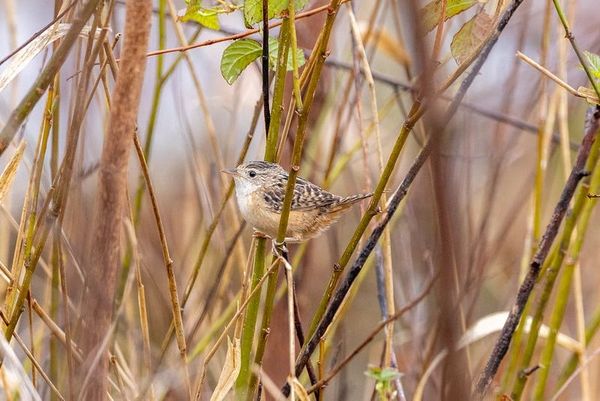
The Thrashers have nested in our front bush again. I believe I’ve mentioned this before.
From late February to early May, the Ruby-crowned Kinglets make short order of the suet I put out.
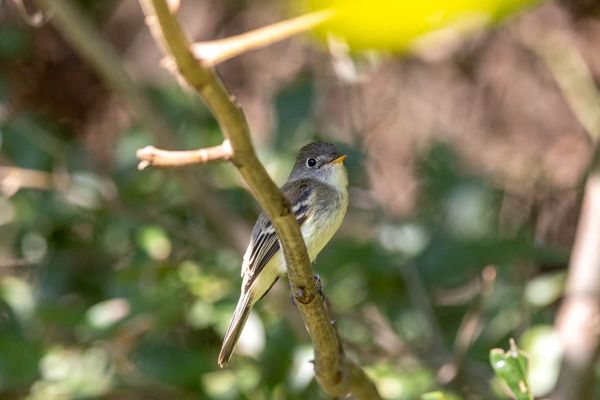
The woods near my house are full of migrating warblers as they stop to rest and refuel before heading further north for the season.
These birds are not unfamiliar to me. Nor are these places unfamiliar to these birds. It’s a ritual, a sense of place and places. It’s uprooting and planting, over and over again, with sometimes thousands of miles between.
I’ve been circling around the phrase “a sense of place” for some time now. The distinct atmosphere of a particular location—the feelings and associations that we have with a specific place and the ways we connect to and identify with it.
Surely, we can be drawn to more than one place, right? What, then, does it do to a person to be so pulled from disparate sources?
It would explain migration—the seasonal pull, the innate urge to leave a home on a journey thousands of miles only to return again months later.
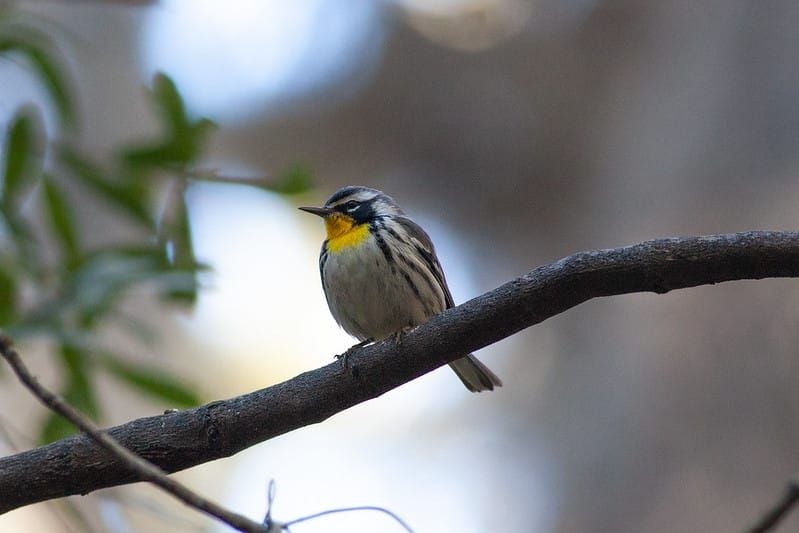
I know it’s foolish to ascribe human personality traits to birds. But what is a sense of place if not a natural and inevitable pull? Perhaps we’re not in any more control of the places we’re drawn to than the Yellow Warbler is
Pretty soon, the Thrasher fledgings will be out and on their own. The Kinglets and warblers will be in their summer homes up north.
And, come fall, the migrants will again stopover. I wonder, in what sense do they know this place? What memory lives of the dogwood in my front yard and the comings and goings of the strange creatures that live next to it?